Russia’s move against Telegram founder Pavel Durov marks a major escalation in its long-running clash with the messaging platform and raises fresh questions about the limits of encrypted communication in wartime. The FSB’s accusation that Telegram enabled terrorist activity is being framed by Moscow as a national security case, but the broader context suggests it is also a political, technological and diplomatic dispute at once.
Moscow’s case against Telegram
According to the Federal Security Service of Russia, Durov faces charges related to his role in facilitating terrorism and has been placed on the international most-wanted list. According to the Russian Federal Security Service, this case is related to the refusal of the Telegram platform to take down any content that could be used by Ukraine’s special services as well as by the terrorist and extremist organizations to plan and coordinate acts of sabotage, terrorism, mass killings, and cyberfrauds within Russia. This is important because this makes the case go from being one of content moderation to one of counterterrorism and wartime.
What the authorities say
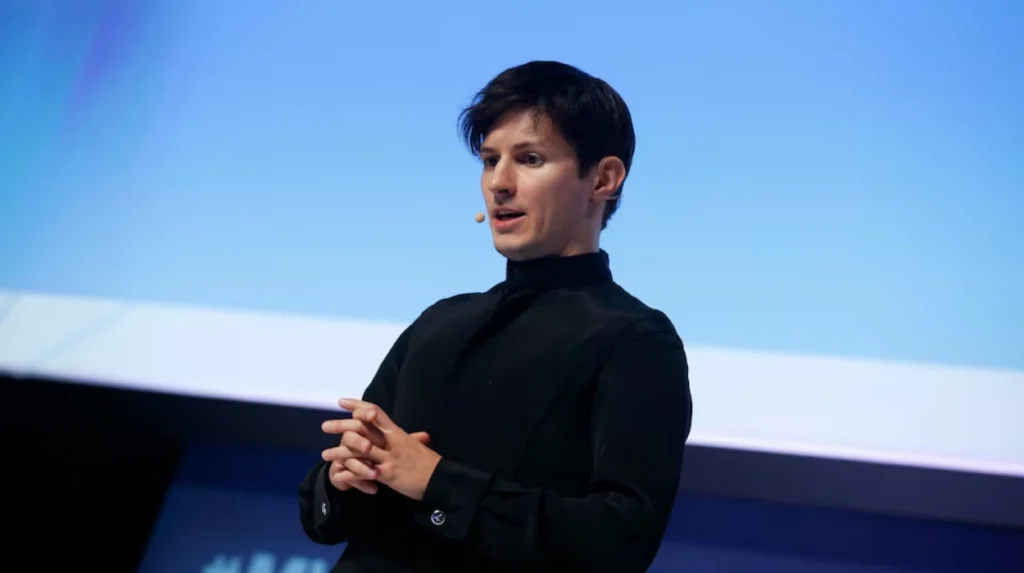
As per the sources, the accusation is based on Article 205.1 of the Russian Criminal Code, which refers to “assistance to terrorist activity.” According to the Russian side, the social media platform failed to delete the relevant channels, chats, and bots that were being used for coordinating activities illegally, and hence legal action was required to be taken against the founder of the company. There has been no immediate reaction by Durov or Telegram as per the available information, however, according to a particular source, it has been mentioned that Telegram’s official X account shared the image of Durov showing an obscene hand gesture right after the announcement of the accusation.
— Telegram Messenger (@telegram) July 29, 2026
Why this case matters
This is not just about one man or one app. Telegram has become one of the most important communication tools in the Russia-Ukraine war, used widely by civilians, officials, journalists, military-linked channels and political actors on both sides of the conflict. With more than one billion users worldwide, Telegram’s role makes any legal action against its founder instantly geopolitical.
Russia has repeatedly tried to curb Telegram’s influence and has promoted its state-backed MAX messaging service as an alternative. That effort reflects a wider Kremlin interest in controlling digital space, especially platforms that are encrypted, globally distributed and difficult for authorities to police in real time.
Durov’s background
Not only is Pavel Durov the founder of Telegram but he is also the founder of VKontakte, which is referred to as Russia’s equivalent of Facebook. Durov comes from Russia but now has the citizenship of both Emiratis and France. He sold off his final share of VKontakte in 2014 when according to many reports there was pressure from the Russian government on him to do so. This adds more complexity to the current case since Durov has always been known to stand up to any governmental interference.
Durov’s earlier stance
The present case follows earlier reports in February that Durov was already under investigation in Russia in a terrorism-related matter. In an April post on Telegram, he said a summons for “Suspect P.V. Durov” had been delivered to an apartment in Russia where he had lived 20 years earlier. He responded by writing:
“They must be suspecting me of defending Articles 29 and 23 of the Russian Constitution — which guarantee freedom of speech and the right to private correspondence. Proud to be guilty!”
That statement is important because it shows how Durov has framed the issue in constitutional and civil-liberties terms, not just as a company compliance question. It also signals that he views Russian action against him as a pressure tactic rather than a purely criminal investigation.
Legal pressure beyond Russia
This action by Russia comes amid legal troubles for Durov in France as well. The French are investigating accusations that Telegram has been unable to restrict criminal activity on their service and failed to collaborate with law enforcement, although Durov claims no guilt. The importance of this context is that this puts Telegram under pressure from different places at once over the same issue, which is how much responsibility a service provider has over activities performed through their encrypted services.
The political subtext
The FSB’s accusation that Telegram was used by Ukrainian intelligence services and extremist groups also places the case squarely inside the Russia-Ukraine war narrative. Moscow is effectively presenting the platform as an operational tool for enemies of the state, which helps explain the severity of the charge and the decision to issue an international warrant. At the same time, Russia’s own officials, including state bodies and the Kremlin, continue to use Telegram regularly, according to the Reuters-based report. That contradiction underscores how deeply embedded the platform has become in Russian public life even as the state tries to discipline it.
Next steps: First, it will depend on what any particular country does about the international warrant issued by Russia, based on how it cooperates legally, the specific circumstances of the case, and where Durov is currently located. One source stated that he had not been found as of yet, although another post from May suggested he was in Dubai and then one in July suggested that he may be coming back to Georgia soon. Second, how does Telegram react? Should it respond with a detailed explanation of its legal stance and policy, stating that it removes harmful materials and is not responsible for their use, then this case would turn out to be one of the major cases regarding the issue of liability of digital platforms during armed conflict. Russia’s lawsuit against Pavel Durov has much more meaning than just being a case involving terrorism and criminal law.