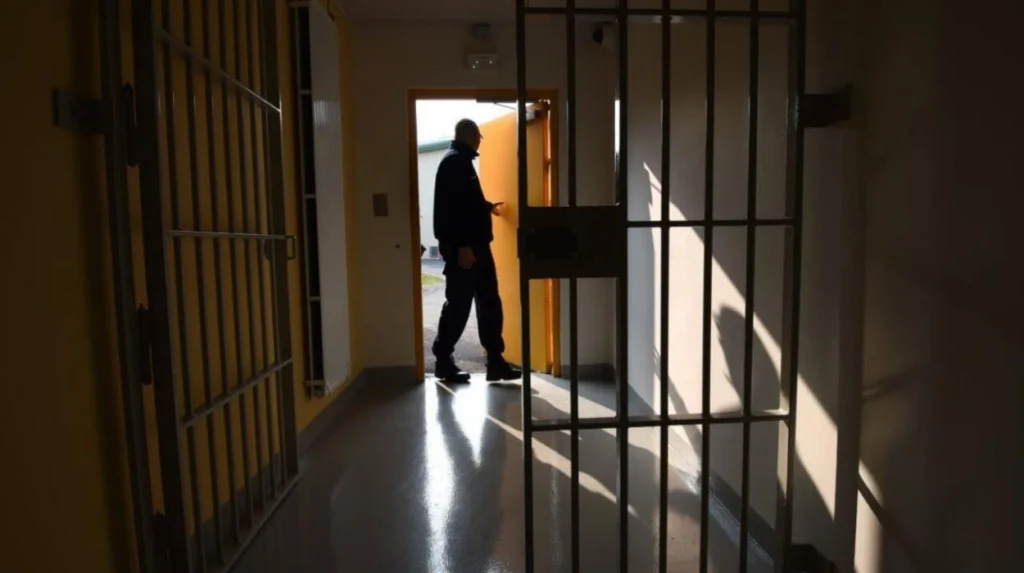
France prison overcrowding has evolved into a structural stress point that reflects broader limits in state capacity. With inmate numbers reaching over 88,000 by April 2026 against an operational capacity below 63,500, the system is operating far beyond its intended design. This imbalance is not temporary; it represents a sustained trend that accelerated throughout 2025 and continued into 2026.
The consequences are visible across the prison network. Facilities originally built for controlled populations now struggle to maintain order, safety, and basic living standards. When occupancy rates exceed 130 percent nationwide, the issue stops being administrative and becomes systemic, reshaping how authority is exercised inside detention environments.
What the numbers reveal about structural imbalance?
The statistical trajectory of France prison overcrowding highlights a consistent upward curve rather than isolated spikes. This steady rise suggests underlying drivers that policy adjustments have yet to address effectively.
Rising inmate population in 2025–2026
Throughout 2025, prison population figures repeatedly set new records, moving from around 82,000 inmates in early spring to over 83,000 by mid-year. By early 2026, the count had climbed further, approaching 90,000. Each increase narrowed the gap between capacity and demand, intensifying operational strain.
This pattern reflects more than demographic change. It indicates sustained pressure from sentencing practices, judicial timelines, and limited use of alternatives to incarceration. The pace of increase suggests that inflow into the prison system continues to outstrip any administrative adjustments.
Capacity expansion lag
While the French government has introduced incremental increases in prison capacity, these additions remain insufficient relative to population growth. Capacity rose only marginally between 2025 and 2026, adding fewer than 1,000 operational places in a system already tens of thousands over capacity.
This lag creates a compounding effect. Each new intake further compresses available space, reducing flexibility for managing different categories of detainees, including pre-trial prisoners and high-risk inmates.
Extreme pressure in specific facilities
National averages obscure the severity of overcrowding in certain institutions. Several facilities have exceeded 200 percent occupancy, effectively doubling their intended population. Reports of inmates sleeping on floor mattresses illustrate how capacity shortages translate into daily realities.
These localized pressures are critical because they concentrate risk. Facilities operating at extreme levels face higher chances of unrest, health concerns, and breakdowns in staff control, making them focal points for systemic instability.
Institutional responses and operational strain
France prison overcrowding has triggered varied responses from government officials, prison staff, and oversight bodies. Each response reflects a different dimension of the crisis, from policy framing to frontline management challenges.
Government acknowledgment and policy proposals
Justice Minister Gérald Darmanin has publicly described the situation as “unacceptable,” signaling official recognition of the scale of the problem. Proposed measures include expanding prison infrastructure, introducing modular units, and considering early-release mechanisms for certain detainees.
However, these proposals remain constrained by timelines and scale. Infrastructure projects require years to complete, while early-release programs face political resistance. The gap between immediate pressure and long-term solutions continues to widen.
Staff shortages and union reactions
Prison staff operate at the frontline of overcrowding, where numerical imbalance translates into increased workload and risk. Estimates suggest thousands of staff positions remain unfilled, forcing existing personnel to manage larger and more volatile inmate populations.
Union responses have included protests and blockades, highlighting the labor dimension of the crisis. Overcrowding is no longer solely a penal issue; it has become a workplace safety concern, with guards expected to maintain order under increasingly difficult conditions.
Oversight bodies and rights concerns
International and regional oversight institutions have reframed France prison overcrowding as a human-rights issue. The Council of Europe has warned that prisons risk becoming “human warehouses,” emphasizing the erosion of living standards.
Similarly, the United Nations Committee Against Torture has raised concerns about detention conditions and the broader implications for humane treatment. These interventions elevate the issue from domestic policy debate to international scrutiny.
Why 2025 shaped the current crisis
The trajectory of France prison overcrowding cannot be understood without examining developments in 2025. That year marked a turning point where rising inmate numbers began to outpace any meaningful policy response.
Escalation of inmate numbers
Data from 2025 shows that prison density had already exceeded 130 percent by spring, with inmate numbers approaching record highs. This escalation created a baseline of pressure that carried into 2026, leaving little room for recovery.
The continuity between 2025 and 2026 highlights the absence of a reset point. Instead of stabilizing, the system entered a phase of cumulative strain, where each month added to an already overloaded structure.
Limited effectiveness of interim measures
Temporary solutions introduced in 2025, including minor capacity expansions and administrative adjustments, failed to reverse the trend. While these measures slowed the rate of deterioration in some areas, they did not address the underlying imbalance between intake and capacity.
This limited effectiveness underscores a central challenge: short-term fixes cannot resolve a long-term structural issue. Without addressing systemic drivers, overcrowding continues to intensify despite incremental interventions.
Policy debate without structural shift
Throughout 2025, discussions around prison reform remained focused on capacity rather than sentencing practices. Proposals to build new facilities or expand existing ones dominated the policy agenda, while alternatives such as diversion programs received less emphasis.
This imbalance in policy focus has shaped the current crisis. By prioritizing expansion over reform, the system has continued to absorb pressure rather than reduce it, reinforcing the cycle of overcrowding.
Broader implications for state authority
France prison overcrowding is increasingly interpreted as a reflection of broader governance challenges. The issue extends beyond prison walls, influencing perceptions of state effectiveness and institutional control.
Erosion of operational control
Overcrowded environments complicate daily management, making it harder for authorities to maintain order. As inmate numbers rise, the ratio of staff to prisoners declines, increasing the likelihood of incidents and reducing the system’s ability to respond effectively.
This erosion of control has symbolic implications. Prisons represent the state’s capacity to enforce law and order, and visible strain within these institutions can weaken public confidence in that capacity.
Impact on rehabilitation and recidivism
Overcrowding also undermines rehabilitation efforts. Limited space and resources reduce access to education, training, and support programs, which are essential for reducing reoffending rates.
When rehabilitation declines, the system risks reinforcing a cycle where released inmates are more likely to return. This dynamic further increases population pressure, creating a feedback loop that sustains overcrowding.
International perception and credibility
The involvement of international oversight bodies places France prison overcrowding within a global context. Persistent criticism from organizations like the Council of Europe and the United Nations affects France’s standing as a country committed to human-rights standards.
This dimension matters because it links domestic policy to international credibility. A prolonged crisis can influence diplomatic narratives, particularly when conditions are framed as inconsistent with established norms.
The unresolved policy dilemma
France now faces a strategic choice between expanding capacity and rethinking its penal model. Each approach carries different implications for long-term stability and public perception.
Expanding infrastructure offers a visible response but risks perpetuating the cycle if intake remains high. Reforming sentencing practices addresses root causes but requires political consensus and societal acceptance.
The tension between these approaches defines the current moment. Policymakers must decide whether to treat overcrowding as a logistical problem or a structural one, knowing that each path leads to different outcomes.
The trajectory suggests that incremental adjustments may no longer suffice. As inmate numbers approach symbolic thresholds and institutional strain becomes more visible, the pressure to adopt a comprehensive strategy is likely to intensify. What remains uncertain is whether that strategy will emerge from necessity or from a deliberate shift in how the state defines control, punishment, and capacity in a system that is steadily reaching its limits.