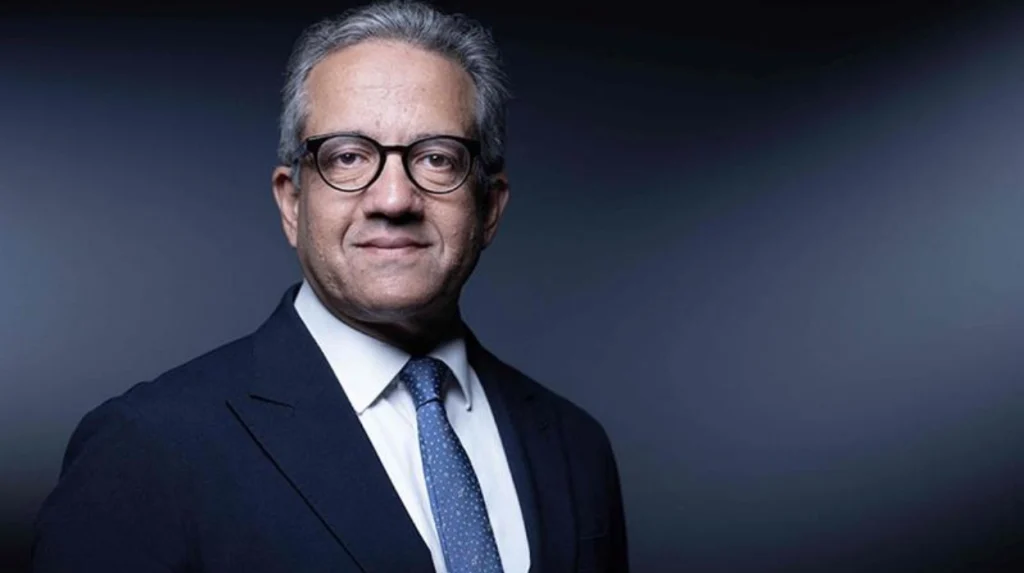
The France decision to nominate Khaled El-Enany to be next Director-General of UNESCO to serve the 2025-2029 term is a strategic step in the further evolution of this organization. France is the host country of UNESCO and the biggest financial contributor, therefore, its contribution towards the leading direction of the leadership is of immense importance in the international community.
Khaled El-Enany is a member who has an amalgamation of academic background and experience as a minister. Having worked as a former Egyptian Minister of Tourism and Antiquities as well as a professional Egyptologist, he knows very well cultural heritage and the practical side of running things on an international level. The French backing of El-Enany is a sign that these two nations share interests to renew the mandate of UNESCO to conserve cultural heritage in the era of digital and geopolitical sophistication.
It also sends the message to other member states in UNESCO, that the future leadership wishes to not only attain institutional stability but also instigate reforms in order to serve the prevailing global interests. The initial and vocal support of the French could be very essential in voting trends up to the November 2025 General Conference.
Potential Shifts In UNESCO’s Strategic Priorities Under El-Enany
Khaled El-Enany has never opposed the use of cultural diplomacy as a means of fostering peace and international cooperation. In his presidential campaign, he emphasizes on the significance of UNESCO as the preserver of heritage as a cultural need and a reconciliation and dialogue tool in politically violent areas.
On the backdrop of the recent conflicts in the world that have endangered World Heritage sites, he writes of the urgent need of UNESCO to expand its crisis-response capability, including in Syria and Ukraine. These include deploying emergency response teams to analyze and conserve endangered heritage, technical assistance, and promoting accountability in the destruction of cultural heritage under international law.
Cultural preservation goals are intertwined with the French own diplomatic past. French support will reinforce the work to provide heritage protection with a more prominent role in international affairs, making UNESCO an influential force in post-conflict recovery and international peacebuilding efforts.
Innovation And Inclusivity In UNESCO’s Mandate
The modernization of the working model of UNESCO is one of the main points of the El-Enany campaign. To recognize the gathering movement in digital governance and internet education, he has proposed expanding digital learning platforms and creating additional partnerships with tech companies to increase educational access in underserved regions.
France signed it and, therefore, it was aligned to this vision, at least with the North-South Divide. Inclusiveness in UNESCO programming appears to be an area of mutual interest between the two countries and an initiative with an impact that serves the interests of the Global South in terms of capacity building and sustainable funding mechanisms.
The same modernization effort is also intended to combat internal UNESCO ills such as bureaucratic inefficiencies and funding shortfalls. El-Enany recommends the diversification of resources by building relationships between the state and non-governmental organization, reducing or minimizing overreliance of most nations on few, and democratic governance in which youth and civil societies are given a chance to express their voice in politics.
Geopolitical And Regional Implications Of El-Enany’s Candidacy
Khaled El-Enany, and his candidacy, may also be regarded as an extension of a bigger picture of more African, Arab, and developing countries participating in the controlling world bodies. Had he been elected to the Director-General post, he would have been the second Arab Director-General of UNESCO, after the successor of Irina Bokova, and a big Global South star in one of the most recognizable agencies in the United Nations.
The growing emphasis on inclusive leadership can be attributed to a shift in the international system, which is increasingly demanding as emerging and middle powers command their place in the global agenda. African countries have also had a lot to do with the profile of El-Enany, who has long been a proponent of the kind of leadership that is respectful of the effort that the continent has put in building world heritage and development.
The fact that France has endorsed an African and an Arab candidate indicates that this country has a strategic interest in ensuring that it is not left behind, and it understands that international coalitions are taking a new shape. This offset operation is used to reflect that there was a desire to engage with other emerging regional powers in their region and to retain the historical role of France as a soft power in multilateral institutions.
Competitive Landscape And Challenges
El-Enany is a high profile candidate, yet there are strong contenders against him although France is a high profile supporter. The Republic of Congo candidate is reported to be rallying support among several African and Caribbean countries, a former Minister of Culture who now sits in the UNESCO Executive Board. Meanwhile other potential candidates on the other side of the hemispheric divide may end up stealing the votes.
It may be the case, again, that in 2025, voting in the General Conference of UNESCO, will not be based solely on qualifications. Geopolitical issues and strategic trade-offs will also be part of the calculus of member states. Despite the diplomatic advantage of the French backing, the final choice will be whether El-Enany can present an attractive and inclusive vision that will resonate with a diverse and divided membership.
Ongoing challenges within the organization such as politicization of heritage designations, funding inequities and lack of visibility- may become the major issues in candidate debates. El-Enany will need to deal with all that and have France on his side and develop alliances in the region.
Reimagining UNESCO’s Role In A Polarized Global Landscape
The support that the French offered to Khaled El-Enany may be used to realize how UNESCO is able to transform its role in the world which is becoming more and more geopolitically divided. The institutions of inculcating peace by education, science and culture are being challenged by increasing nationalism, digital misinformation and declining multilateral trust.
If elected, El-Enany would face the task of making UNESCO more relevant in policy conversations that extend beyond heritage conservation. These include global artificial intelligence ethics, digital education standards, and climate-driven displacement of cultural communities.
France’s endorsement suggests a willingness to reframe UNESCO’s mission to meet these new challenges. It implies an investment in leadership that understands both the symbolic and operational significance of heritage, education, and cultural rights in times of crisis.
The support for Khaled El-Enany’s candidacy by France is more than a diplomatic maneuver, it is a reflection of UNESCO’s need for leadership that bridges tradition and transformation. As the organization confronts a range of challenges from heritage destruction to education access and digital inclusion, El-Enany’s profile positions him to potentially recalibrate its strategy while fostering wider regional participation. The upcoming vote will test whether UNESCO’s members are prepared to align around a candidate who seeks to reenergize its global mandate, reflecting both the wisdom of the past and the demands of an uncertain future.