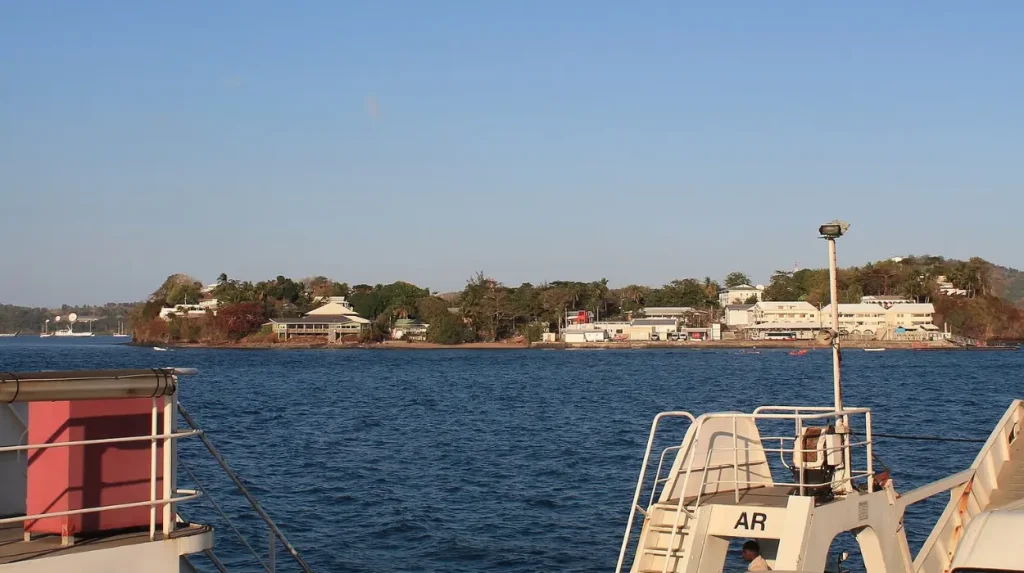
The French overseas department of Mayotte, located in the Indian Ocean off the coast of Africa, faces profound challenges in guaranteeing the right to education and other core social and economic rights for its large child population. Human Rights Watch (HRW) has highlighted the urgent need for France’s National Assembly to include access to education and child protection provisions in the emergency reconstruction bill for Mayotte, following devastating cyclone damage and persistent structural inequalities. This analysis explores the key statistics, challenges, human rights concerns, and recommendations surrounding education access in Mayotte.
How severe is the education crisis in Mayotte?
Mayotte is France’s poorest department and one of the most disadvantaged regions in the European Union. According to a 2023 University of Paris-Nanterre study, up to 9% of school-age children were not enrolled in school, while the French Defender of Rights reported in October 2023 that approximately 15,000 children lacked access to a full school day in public schools. These figures reveal significant gaps in education access despite compulsory schooling laws in France for children aged 3 to 16.
Poverty exacerbates these challenges: over 75% of Mayotte’s population lives below the poverty line, with nearly half the population under age 18, and 8 out of 10 children living in poverty. Many children reside in informal settlements lacking basic services such as running water, electricity, and adequate nutrition. Malnutrition and hunger negatively impact children’s ability to attend and concentrate in school. For some, school snacks may be the only meal of the day, but fees of up to €65 per year for snacks are unaffordable for many families.
What are the main barriers to education?
Several structural and administrative barriers hinder children’s access to education in Mayotte. Municipalities, responsible for primary education, sometimes impose burdensome enrollment requirements such as newly issued birth certificates or proof of residence, which families in informal settlements or with irregular migration status cannot obtain. This disproportionately affects children of undocumented parents and those living in shantytowns.
Migration policies further complicate matters. Many young people become undocumented at age 18, regardless of their length of residence, causing anxiety and early school dropout. Additionally, fear of arrest by border police near schools and municipal offices discourages families from accompanying children to school or accessing public services.
Language barriers also pose challenges. Many children do not speak French as their first language, yet the national education system offers limited accommodation for linguistic diversity, affecting learning outcomes.
The December 2024 cyclone “Chido” caused widespread destruction of homes, schools, and infrastructure, worsening already precarious living and learning conditions.
What are the human rights and advocacy perspectives?
Elvire Fondacci, Advocacy Officer at HRW, emphasized:
“Education is not only a right for all children, it is compulsory throughout France from age 3 to 16. Yet thousands of children in Mayotte, due to their nationality or migration status, cannot effectively access education or other basic social support.”
Fondacci further stated:
“The bill before the National Assembly is an opportunity to correct decades of underinvestment, mismanagement, and persistent lack of political will that have severely undermined education in Mayotte.”
“Ensuring the right to education for all children in France is not optional in Mayotte simply because it is an overseas territory.”
Local organizations report that children as young as 13 question the value of continuing school amid these hardships. Interviews with children and parents reveal how hunger and poverty severely affect attendance and concentration. One 12-year-old girl said:
“My parents can’t find rice anymore. One day we eat, the next we don’t. It’s every other day. I eat the snacks at school.”
A 15-year-old student added:
“It’s hard to live in a slum. If you haven’t paid for the snack, you don’t eat. It’s really hard to go to school when you’re hungry.”
What are the calls to action?
Human Rights Watch urges the French government to:
Include access to education and protection of children’s rights in the emergency reconstruction bill for Mayotte.
Address administrative and policy barriers that prevent school enrollment, especially for children of undocumented parents.
Equip schools with basic necessities such as safe drinking water, sanitation, nutritious food, and adequate infrastructure.
Ensure education policies accommodate linguistic diversity and provide inclusive learning environments.
End discriminatory practices and ensure education access regardless of nationality or migration status.
Mayotte’s education crisis
Mayotte, a French overseas department located in the Indian Ocean, is grappling with a profound education crisis that reflects broader social and economic challenges. This crisis is rooted in a complex interplay of poverty, administrative barriers, and systemic neglect that collectively deny thousands of children their fundamental right to education. As France embarks on reconstruction efforts following the devastating Cyclone Chido in December 2024, it faces a pivotal moment to confront these deep-seated inequalities and ensure that all children in Mayotte can access quality education. Doing so is not only a legal obligation under French and international law but also a moral imperative to empower the youth of Mayotte and break the persistent cycles of poverty and social exclusion.
The scale of the crisis: Education access and poverty
Mayotte is France’s poorest department and one of the most disadvantaged regions in the European Union. According to a 2023 study by the University of Paris-Nanterre, up to 9% of school-age children were not enrolled in school, while the French Defender of Rights reported that approximately 15,000 children lacked access to a full school day in public schools. These figures are alarming, especially given that education is compulsory in France from ages 3 to 16.
The crisis is exacerbated by staggering poverty levels. Over 75% of Mayotte’s population lives below the poverty line, with nearly half of the population under 18 years old. Among children, 8 out of 10 live in poverty, many in informal settlements lacking basic services such as running water, electricity, and adequate nutrition. Malnutrition and hunger are common, directly affecting children’s ability to attend school and concentrate on their studies. For some, school meals may be the only reliable source of nutrition, but fees for school snacks—up to €65 per year—are unaffordable for many families, creating additional barriers.
Beyond poverty, administrative hurdles significantly impede access to education. Municipalities, responsible for primary education, often require documentation such as newly issued birth certificates or proof of residence for school enrollment—documents many families from informal settlements or with irregular migration status cannot provide. This disproportionately affects children of undocumented parents, further marginalizing them.
Moreover, restrictive migration policies mean many young people become undocumented at age 18 regardless of how long they have lived in Mayotte, leading to anxiety and early school dropout. Fear of arrest by border police near schools and municipal offices discourages families from accompanying children to school or accessing essential public services, creating an atmosphere of insecurity.
Language barriers also complicate education. Many children do not speak French as their first language, yet the national education system offers limited support for linguistic diversity. This lack of accommodation hampers learning and contributes to high dropout rates.
The December 2024 cyclone Chido caused widespread destruction, damaging homes, schools, and infrastructure, worsening already precarious living and learning conditions. Overcrowded classrooms, teacher shortages, and inadequate facilities further strain the education system. Many schools lack basic necessities such as clean drinking water, sanitation, and safe learning environments, undermining children’s health and educational outcomes.