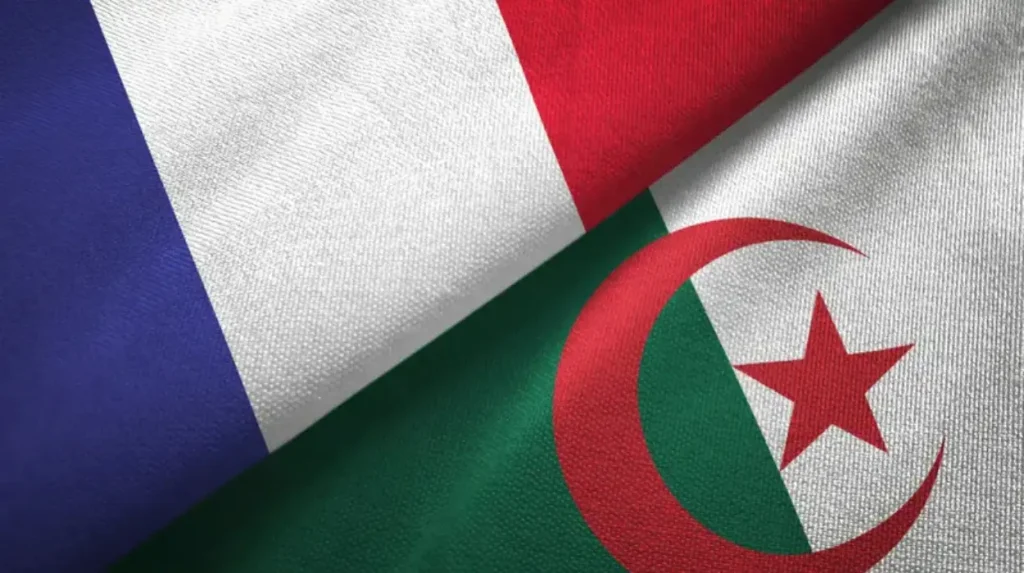
In the most recent escalation of a deteriorating political conflict between the two nations, Algeria ordered a fresh wave of mass expulsions of French diplomats, prompting France to pledge an immediate response.
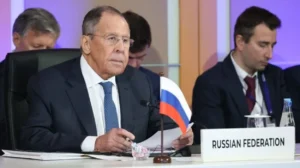
French Foreign Minister Jean-Noël Barrot denounced Algeria’s recent action as “neither in the interest of Algeria nor in the interest of France” while on a visit to Calvados. “It is not acceptable for agents to leave on temporary assignments,” Barrot told reporters in Pont-l’Évêque, northern France. “We will respond immediately, firmly and proportionately, as we did last month, to this attack on our interests.”
Barrot’s remarks come after Algeria decided on Sunday to order the repatriation of all French personnel assigned to Algerian diplomatic, consular, and cultural missions who were allegedly placed “outside the approved official frameworks and procedures,” according to Algerian officials. The French chargé d’affaires in Algiers was called by the Algerian Ministry of Foreign Affairs to personally convey the request.
The action takes place in the midst of what both sides today characterise as the most severe diplomatic crisis in years between Paris and Algiers, one that is based on political disagreements, especially over Western Sahara, tit-for-tat expulsions, and allegations of espionage.
Why did Algeria order the expulsion of French diplomats?
At least 15 French workers were recently dispatched to Algeria without the required credentials, according to Algerian officials, who claim this is a “serious and repeated” violation of diplomatic standards. According to reports, two of those workers were from the French Interior Ministry and were allegedly filling in for French intelligence officers who had already been designated persona non grata.
The state-run news agency APS was informed by an unidentified Algerian official that “these are individuals who originally held passports for short-term missions and were later issued diplomatic passports to facilitate their presence in Algeria.”
The number of French servicemen that Algiers now wants returned was not disclosed. In response to the arrest of an Algerian consulate worker in Paris on April 8—who was suspected by French authorities of being involved in an attempted kidnapping of an Algerian dissident—it dismissed 12 French security officers a few weeks prior.
Twelve Algerian diplomats were immediately dismissed by Paris, who claimed that several of them had ties to Algerian security forces. In one of the most significant diplomatic escalations between the two countries, Stéphane Romatet, the French ambassador to Algiers, was called back to Paris for talks. The dilemma is centred on a more general lack of trust, which is made more difficult by a convoluted post-colonial relationship.
What violations are Algerian officials accusing France of?
Algeria points to challenges its own ambassadors in France confront and accuses France of often disregarding established diplomatic protocols. At least nine Algerian consuls are still awaiting accreditation months after their nomination, according to the North Africa state, leaving a number of them in limbo. It also mentions French border guards repeatedly refusing admission to Algerians using diplomatic passports.
After France changed its stance on Western Sahara and declared support for Morocco’s autonomy initiative—a red line for Algiers, which supports the Polisario separatist organisation in the region—tensions escalated in July 2024.
The 80-year-old Algerian French writer Boualem Sansal was arrested in the fall for comments he made on the far-right French platform Frontières that were perceived as an assault on Algeria’s territorial integrity, further widening the breach.
Can France and Algeria rebuild ties amid rising nationalism?
Barrot’s travel to Algiers in early April and other de-escalation initiatives, like as a phone conversation between President Emmanuel Macron and his Algerian counterpart, Abdelmadjid Tebboune, in April, originally sparked optimism about a revived partnership.
But the process of reconciliation was halted a few days later when the Algerian diplomat was arrested. Since then, Algeria has accused Interior Minister Bruno Retailleau and other conservative members of the French administration of undermining the delicate diplomatic thaw.
Macron is still in charge of France’s foreign policy even if he lost his legislative majority in the elections last year. In contrast to several hardline ministers who are threatening to revoke post-independence accords with Algeria, he has continuously advocated for communication and reconciliation. It has been reported that he and his cabinet’s right-wing ministers are at odds, especially over Algeria. Any shaky attempts at reconciliation between France and Algeria might be quickly undone with the right-wing moonwalking to Matignon and possibly the Élysée.